
Partner-to-Guest Pipeline at ResortPass
The Challenge
As ResortPass scaled, the guest experience was increasingly inconsistent. Guests loved the idea of a luxury “daycation,” but the on-property reality often fell short of expectations. The brand promised premium hospitality, yet hotels had no clear standards or resources to deliver it.
Deliverables
Strategy and roadmap planning, user research, UX, web design, print collateral
KPIs
+Increase in average review scores by +1%
+Increase in 5 start reviews by 3%
-Decrease in bottom 2 box reviews by -5%
-Decrease in guest support tickets related to check-in, expectations, and refunds
-Decrease in guest support ticket response time by -71%
+Increase in partner satisfaction and adoption of new standards
+Cross-functional engagement with guest experience metrics as shared KPIs
Team
Sarah Argus, GX Special Projects Lead
Amanda Fontenot, Director of Account Management
Rebecca Schnoor, Director of Customer Support
-
Through quantitative and qualitative data, I uncovered the underlying issues:
Expectation gap: Guests relied on imagery and descriptions that didn’t reflect the real on-property experience.
Partner blind spots: Hotels lacked guidance, tools, or feedback loops to understand performance and improve.
Reactive systems: Problems surfaced only after a stay, through reviews or refund requests.
I introduced new NPS collection systems, conducted review audits, and synthesized insights across CX, Product, and Ops to identify where the experience was breaking and why.
-
How do you ensure consistency across thousands of unique hotel properties?
After interviewing top hospitality management, I realized partners needed clearer expectations to deliver a consistent guest experience. I analyzed how peer platforms like Airbnb and Uber motivate quality from their partners, then created a flexible standards guide and checklist that defined what “great” looks like, both online and on-property.How do you help hotels deliver a 5 star experience with limited -resourced “special projects” pod?
A full overhaul before peak summer wasn’t feasible, so I focused on high-impact opportunities. Using AI-assisted NPS and review analysis, user interviews, and refund data, I identified the top guest pain points with the largest addressable impact and prioritized solutions that could either scale quickly and effect the most critical paint points.
Why focus on B2B tooling to improve the GX instead of devoting resources to the B2C experience directly?
Focusing on B2B tooling was the most strategic way to improve the guest experience at scale. The biggest friction points weren’t in the interface—they stemmed from inconsistent hotel operations, unclear standards, and mismatched expectations on-site. By strengthening partner tools, guidance, and workflows, we improved the accuracy and quality of what guests ultimately experience. Investing upstream created a multiplier effect: better hotel execution, fewer surprises, and a more consistent end-to-end journey than B2C polish alone could deliver.Why focus on refund work?
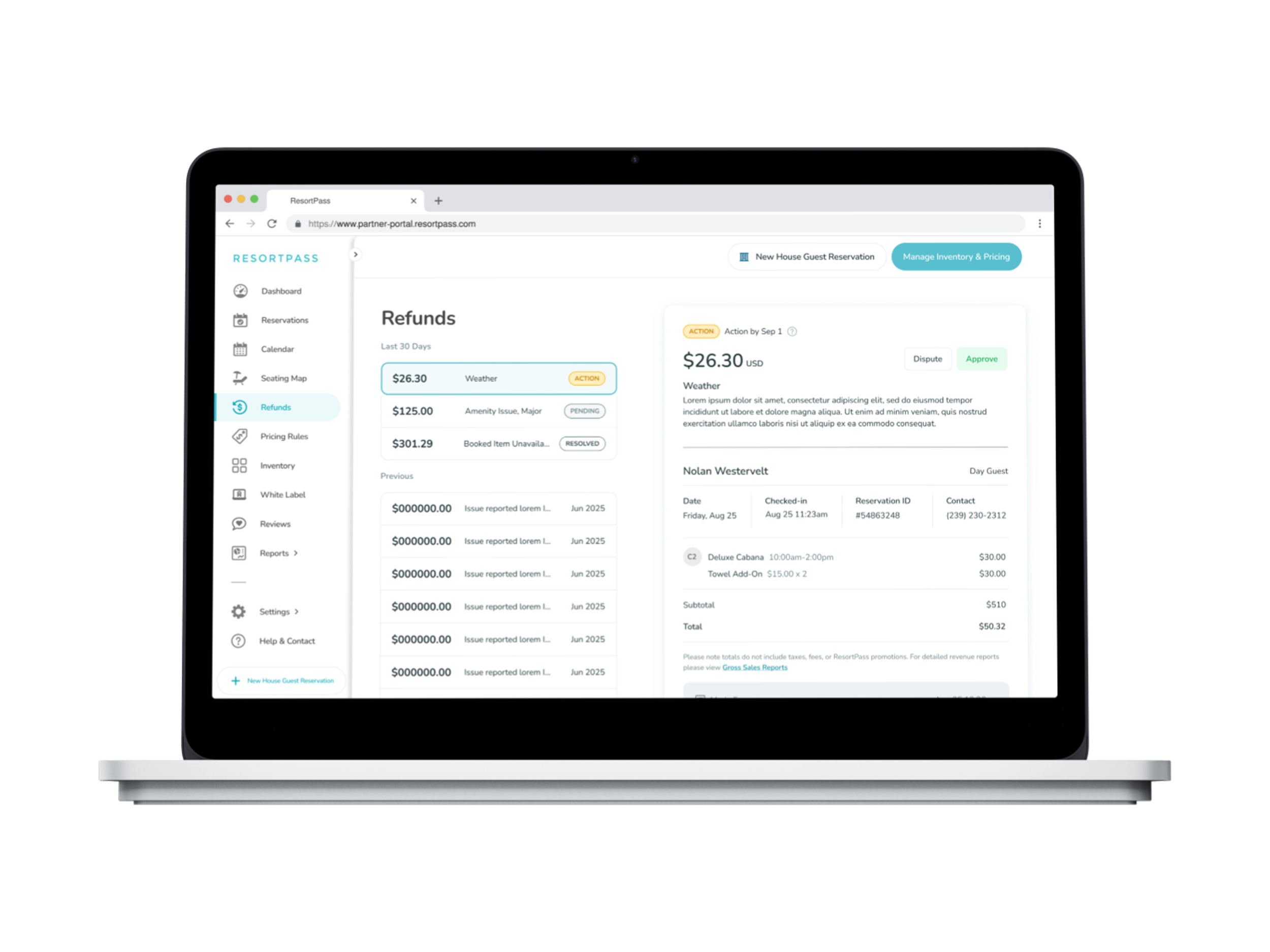
We prioritized refund work because hospitality is about exceeding expectations and making things right when things go wrong. Refunds were a high-impact trust moment—slow or confusing processes eroded confidence and hurt loyalty. By simplifying policies and removing friction, we protected the guest relationship and strengthened long-term satisfaction.
What tools, and constraints, should hotels have to improve their listings?
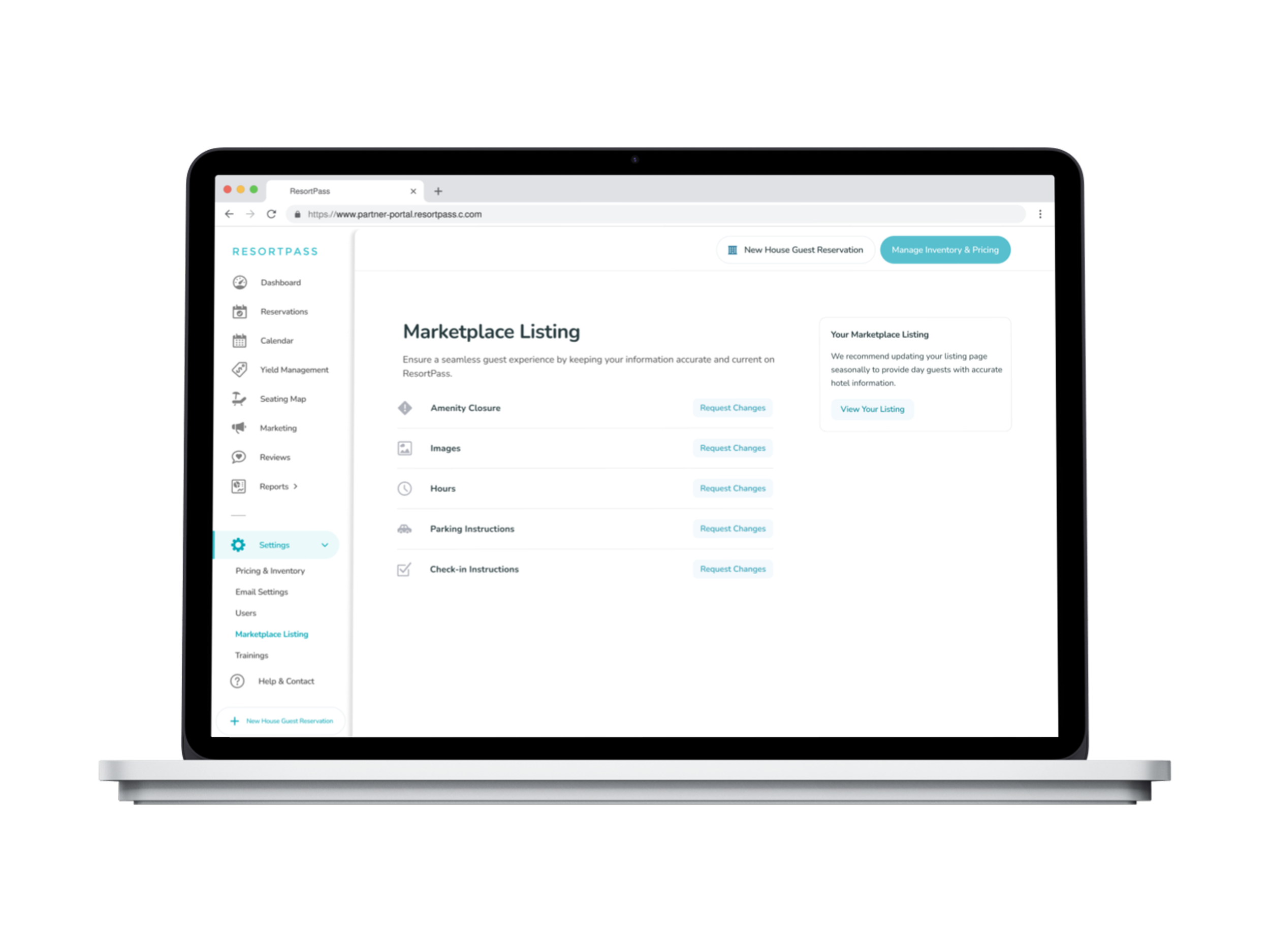
Hotels evolve constantly—staff changes, property updates, seasonal shifts in parking, check-in, and amenities—so listings need to stay accurate without sacrificing quality control. I focused on the highest-impact for guests: photography, arrival details, and amenity availability. Partners could request updates through a streamlined tool, and our team validated and published them same day, keeping the marketplace polished, current, and guest-ready. This not only helped our guests, but our Account Management team was able to service more hotels. -
I led an integrated guest experience ecosystem that connected digital, physical, and operational touchpoints.
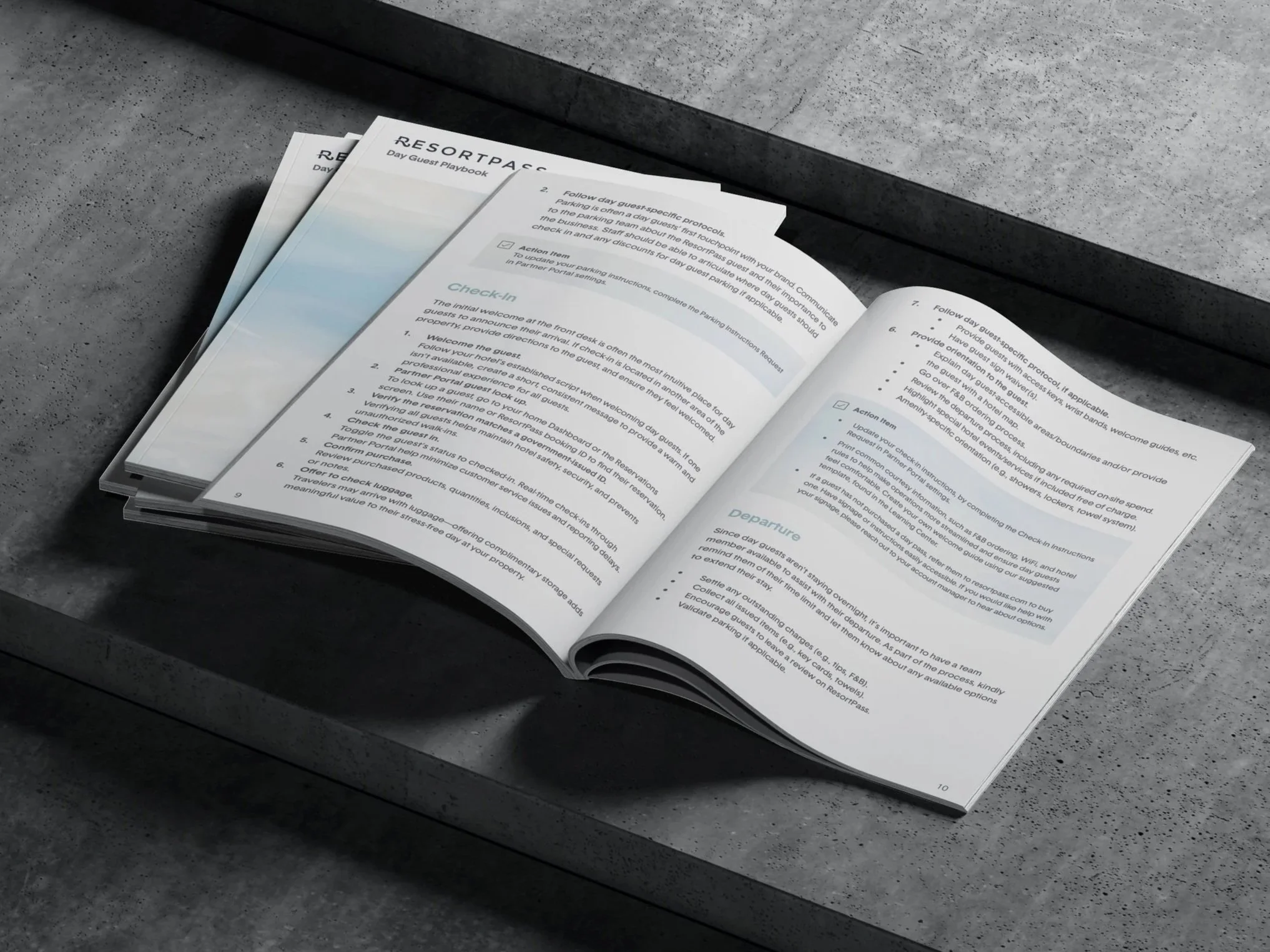
Day Guest Playbook: Standardized hotel listings with clear brand, amenity, and photography guidelines to align on-site and online expectations.
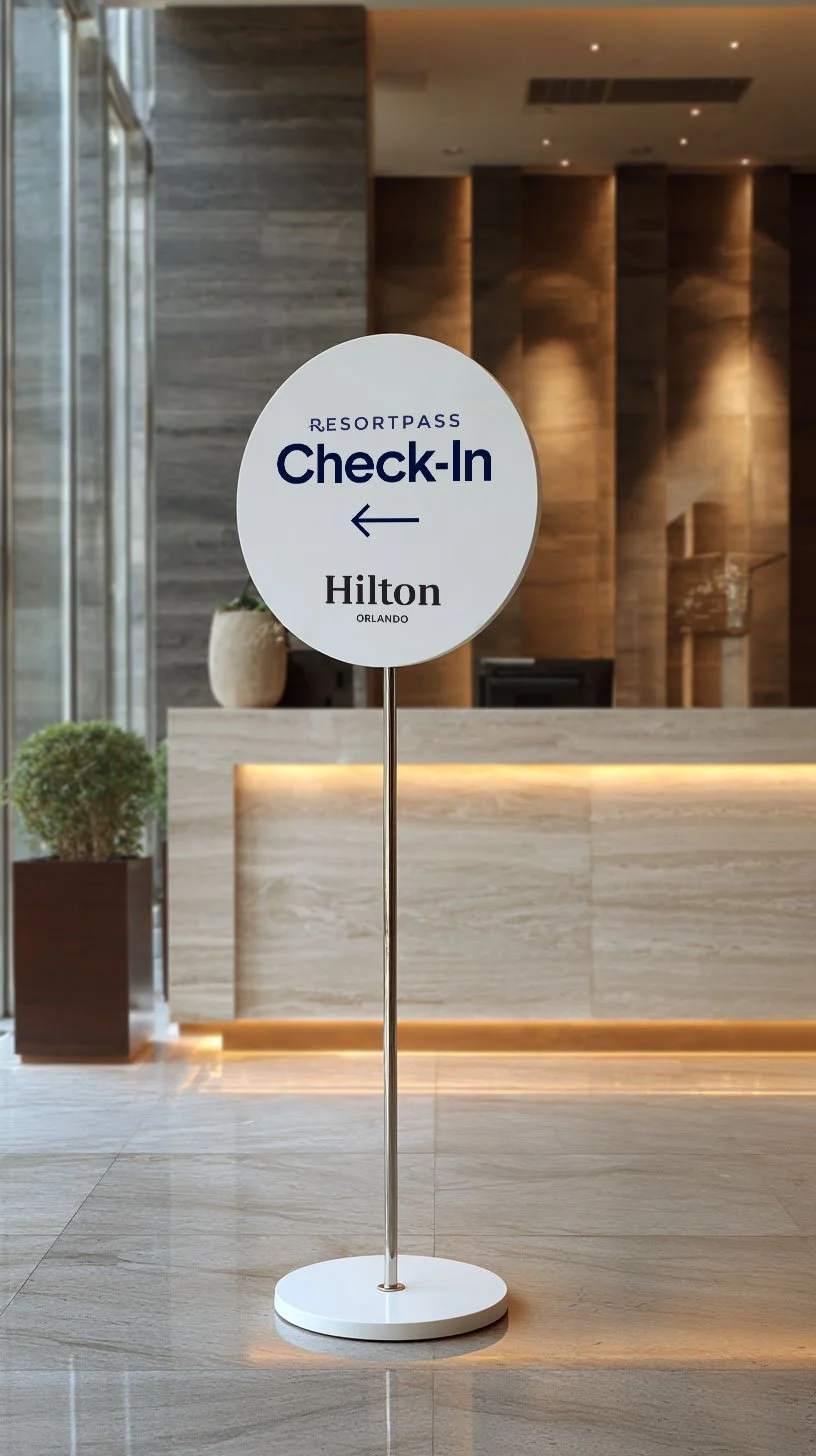
On-site signage: Introduced a ResortPass-cobranded signage program where as properties could request Lolli-pop and table top signage to improve check-in, way-finding, and seating assignments.
Photography standards: Expanded average images per hotel by 833% through added product photography and review photo campaigns.
Automated refund tooling: Built for both the Partner Portal and CS dashboard, speeding resolution times and improving transparency.
Marketplace update tools: Empowered hotels to update amenities, processes, and availability in real time, reducing guest confusion and dependency on support teams for “make-goods”.
Within a 6 month sprint, I transformed ResortPass from reactive issue resolution to proactive guest experience design; improving trust, consistency, and satisfaction at scale.